
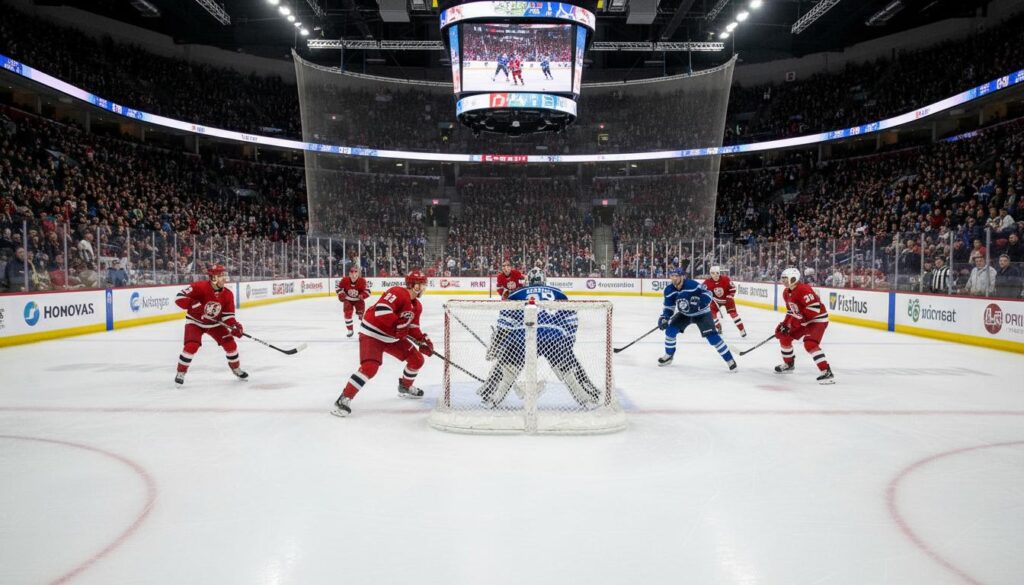
Across Aotearoa, you’ll find sticks tapping on turf, pucks skimming across ice, and wheels humming on polished floors. Hockey is fast, skilful, and surprisingly accessible. This guide explains what hockey is, how it works, the main formats played in New Zealand, the pros and cons, and how to choose a version that fits your life. You’ll also find a simple step-by-step plan to get started and answers to common questions.
What is
Hockey is a family of team sports where players use a stick to move a ball or puck and score in the opponent’s goal. In New Zealand, “hockey” usually means field hockey, but ice hockey and inline hockey also have strong communities.
All versions reward quick decision-making, clean stick work, sharp passing, and teamwork. The game feels different on turf, ice, or wheels, but the core idea stays the same: create space, support your mates, and take your chances inside the scoring area.
Field hockey typically has 11 players per side, including a goalkeeper. Ice hockey has six on the ice (five skaters plus a goalie). Inline hockey usually plays four skaters and a goalie per team.
How it works
The goal and scoring
The target never changes: put the ball or puck in the net more times than the other team. Field hockey only counts goals from shots taken inside the circle (the D). Ice and inline hockey allow goals from anywhere in play.
Basic rules by format
Field hockey (New Zealand’s most common)
- Use the flat side of the stick only.
- Goals must be scored from within the circle.
- No feet, no deliberate stick obstruction, and play the ball safely.
- Match length: four quarters of 15 minutes at top levels; local grades may vary.
- Free hits, penalty corners, and penalty strokes restart play after fouls.
Ice hockey
- Body contact rules depend on grade and age; New Zealand leagues follow IIHF guidelines.
- Offside applies when the puck enters the attacking zone after the attackers.
- Icing stops play when a team shoots the puck from behind the centre line across the opponent’s goal line without it being touched.
- Three periods, stop-clock timing at higher levels.
Inline hockey
- Played on a smooth indoor surface with inline skates.
- Often non-checking and slightly less physical than ice hockey.
- Rules are similar to ice, but many leagues do not use offsides or icing.
- Two halves are common; timing depends on the league.
Positions and roles
- Forwards: create and finish chances.
- Midfielders/centres: link defence to attack, control tempo.
- Defenders: break up play, build from the back, hold structure.
- Goalkeepers: shot-stopping, angles, and communication; protective gear varies by format.
Types / examples
Field hockey in New Zealand
Hockey New Zealand governs the sport nationally, with thriving school and club scenes across every region. The Black Sticks Men and Black Sticks Women compete internationally and are regulars at the Olympics and Commonwealth Games—highlights include the women’s gold at the 2018 Commonwealth Games.
Domestic elite action runs through regional competitions and the Premier Hockey League. Top venues include the National Hockey Centre in North Harbour (Auckland), Ngā Puna Wai in Christchurch, and the National Hockey Stadium in Wellington. Many towns have water or sand-dressed turfs, so access is better than you might expect.
Ice hockey in New Zealand
New Zealand Ice Hockey Federation (NZIHF) oversees the sport, with the New Zealand Ice Hockey League (NZIHL) showcasing the country’s best men’s teams. You’ll hear about clubs like the West Auckland Admirals, Botany Swarm (Auckland), Canterbury Red Devils (Christchurch), Dunedin Thunder, and the Stampede (Queenstown). National teams are known as the Ice Blacks (men) and Ice Fernz (women).
Rinks in Auckland, Christchurch, Dunedin, and Queenstown host regular competition. The game is quick, technical, and spectator-friendly, with plenty of atmosphere on winter nights.
Inline hockey
Inline Hockey New Zealand supports clubs throughout the country. It’s popular in regions with multi-use indoor courts and community rinks. Inline hockey offers a lighter equipment load than ice and often runs social, mixed, or youth-focused leagues—great for developing skating and stick skills without the logistics of ice time.
Field vs ice vs inline at a glance
| Format | Surface | Players on at once | Typical match length | Governing body (NZ) | Example competition | Where you’ll find it |
|---|---|---|---|---|---|---|
| Field hockey | Water or sand-dressed turf | 11 (incl. goalie) | 4×15 min (top levels) | Hockey New Zealand | Premier Hockey League | Club and school turfs nationwide |
| Ice hockey | Indoor ice rink | 6 (5 skaters + goalie) | 3×20 min (IIHF standard) | New Zealand Ice Hockey Federation | NZIHL | Auckland, Christchurch, Dunedin, Queenstown |
| Inline hockey | Indoor sport court | 5 (4 skaters + goalie) | 2 halves (league-dependent) | Inline Hockey New Zealand | Regional and national leagues | Community rinks and rec centres |
Pros and cons
Benefits
- Excellent cardio and agility without monotonous training.
- Balance, coordination, and quick decision-making improve fast.
- Strong team culture with social grades through to elite pathways.
- Year-round options: turf in winter, inline in spring/summer, or ice indoors.
- Accessible for all ages, with many clubs running junior, senior, and masters grades.
Potential drawbacks
- Gear and facility costs can add up, especially for ice hockey.
- Travel may be required if you live far from a rink or turf.
- Injury risk exists in any fast team sport; protective gear is essential.
- Weather can interrupt field hockey, though modern turfs drain well.
How to use or choose
Choosing the right version of hockey
- Location and access: If you’re near a turf, field hockey is easy to join. Living near a rink? Try ice or inline.
- Budget and gear: Inline and field can start cheaper; ice has more protective gear and ice-time costs.
- Feel and pace: Want constant end-to-end action and tight spaces? Ice or inline. Prefer bigger formations and structured build-up? Field.
- Schedule: School and club field hockey runs mainly in winter. Ice and inline often offer evening and indoor options.
- Pathway: If you’re aiming for Black Sticks pathways, choose field; if you love the ice, NZIHL development streams exist too.
Beginner gear checklists
Field hockey essentials
- Stick sized to your height and position (ask the pro shop or coach).
- Mouthguard and shinguards (commonly required in NZ competitions).
- Turf shoes with good grip; lightweight socks and breathable kit.
- Optional: gloves, face mask for penalty corners (defenders), stick bag.
Ice hockey essentials
- Ice skates, stick, helmet with cage or visor, gloves.
- Shoulder, elbow, and shin pads; protective shorts; mouthguard.
- Base layers, jersey, and socks; water bottle and tape.
- Many rinks or clubs offer learn-to-play gear bundles or rentals.
Inline hockey essentials
- Inline skates, stick, helmet (cage for youth), gloves.
- Elbow and knee/shin protection; girdle/shorts; mouthguard.
- Non-marking indoor wheels preferred for court surfaces.
Step-by-step: Start playing hockey in New Zealand
- Pick your format: field, ice, or inline—based on location, budget, and vibe.
- Find a club or programme through your regional association or national body.
- Attend a “have a go” or learn-to-play session to try gear and meet coaches.
- Get the basics: stance, stick grip, skating (ice/inline), and safe movement.
- Choose an entry level: social league, school team, or beginner grade.
- Buy or borrow essential gear; check safety rules for your grade.
- Train weekly: focus on first touch, passing, and small-sided games.
- Play your first match and debrief with your coach or captain.
- Build fitness with short, sharp intervals and mobility work.
- Set simple goals: master a core skill each month and enjoy the ride.
Where to look for clubs and venues
- Field hockey: Hockey New Zealand and your regional association list clubs and turf venues.
- Ice hockey: NZIHF and NZIHL sites provide rink locations and club contacts.
- Inline hockey: Inline Hockey New Zealand has a club directory and event calendar.
- Local councils and rec centres often advertise learn-to-play sessions.
FAQ
Is hockey popular in New Zealand?
Field hockey is widely played in schools and clubs, with strong regional competitions. New Zealand’s national teams—the Black Sticks—regularly compete at the Olympics and Commonwealth Games, including a women’s gold medal in 2018.
What season does hockey run?
Field hockey is mainly a winter code (roughly autumn to early spring). Ice hockey also peaks in winter. Inline hockey is often year-round or plays strong off-season competitions indoors.
How old do kids need to be to start?
Children can begin as early as early primary school through small-sided, game-based programmes. Clubs place new players by age and skill to keep it fun and safe.
Do I need a mouthguard?
Yes for field hockey—most New Zealand associations require a mouthguard and shinguards. Mouthguards are strongly recommended in ice and inline hockey too.
Can men and women play together?
Yes in many social and youth grades, especially in inline and community leagues. High-performance competitions are typically single-gender.
How expensive is hockey?
Costs vary by format, gear, and venue. Field and inline can start modestly; ice hockey requires more protective gear and paid ice time. Many programmes offer loan gear or beginner bundles—ask before you buy.
What’s the difference between a drag flick and a slap shot?
A drag flick is a specialised field hockey technique used mainly at penalty corners to generate speed and height safely. A slap shot is an ice or inline hockey shot with a big wind-up that trades accuracy for power.
How fit do I need to be?
You can start at any level. Short bursts, frequent substitutions, and graded competitions make hockey accessible. Your fitness will grow naturally as your skills improve.