
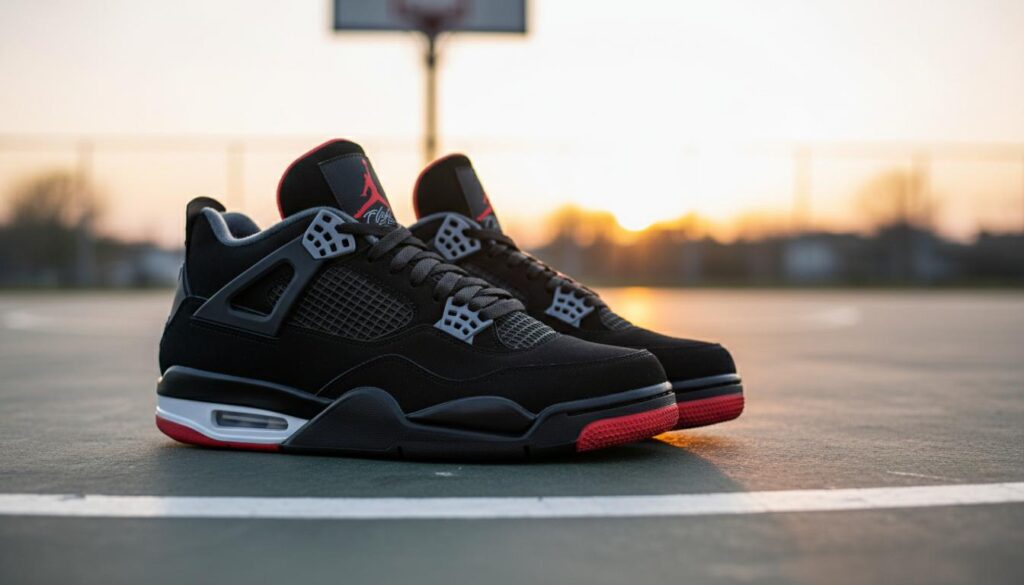
The jordan 4 sits in a rare spot: tough enough to handle daily wear, stylish enough to turn heads on Queen Street, and storied enough to satisfy hardcore sneaker fans. Born in 1989 and designed by Tinker Hatfield, this shoe helped write one of basketball’s greatest chapters—Michael Jordan’s “The Shot”—and has since become a modern wardrobe staple across Aotearoa. Here’s everything a Kiwi shopper needs to know before buying, wearing, and caring for a pair.
What is
The jordan 4 (Air Jordan IV) is a classic basketball sneaker turned lifestyle icon. It introduced bold design features for its time: visible Air cushioning in the heel, mesh netting on the upper for breathability, and signature plastic “wings” that let you customise the lace setup. The heel tab, the “Flight” script on the tongue, and that unmistakable silhouette cemented its identity.
Originally released for the 1988–89 NBA season, the shoe was part of Jordan Brand’s early run that redefined performance and style. Over the years, the jordan 4 has cycled through OG colourways like White Cement, Bred (Black/Cement), Military Blue, and Fire Red, plus collaborations that keep the model fresh for today’s streets.
How it works
While most people wear the jordan 4 casually now, the design remains a thoughtful mix of support, cushioning, and structure. Here’s what’s going on under the hood:
- Cushioning: Visible Air unit in the heel for impact protection and an encapsulated Air unit in the forefoot for added comfort.
- Midsole: Durable polyurethane midsole with sculpted sidewalls to stabilise landings and reduce foot roll.
- Upper: A blend of leather, nubuck, suede, canvas, or synthetic materials depending on the release, with mesh panels for airflow.
- Support: TPU wings and a firm heel counter help lock the foot in. A padded collar adds ankle comfort.
- Outsole: Herringbone traction pattern for grip on multiple surfaces.
Fit and feel: Most pairs run true to size. The toe box can feel snug on wider feet; many wide-footed buyers go up half a size. New pairs can start firm and soften after a few wears.
Jordan models compared
| Model | Year launched | Cushioning | Support features | On-foot feel | Best for today | Sizing notes (NZ) |
|---|---|---|---|---|---|---|
| Jordan 4 | 1989 | Visible Air heel + encapsulated forefoot | TPU wings, heel counter, padded collar | Stable, slightly firm at first | Lifestyle, occasional casual hooping | True to size; wide feet consider +0.5 |
| Jordan 1 | 1985 | Encapsulated Air (heel) | High collar, sturdy leather upper | Firm, flat platform | Lifestyle | True to size for most |
| Jordan 3 | 1988 | Visible Air heel + encapsulated forefoot | Heel counter, padded collar | Balanced, comfy day-to-day | Lifestyle | True to size |
| SB x Jordan 4 | 2023 | Air setup with skate-tuned tweaks | Reinforced forefoot, grippy outsole zones | Supportive yet more flexible | Skate-crossover, lifestyle | True to size |
Types / examples
The jordan 4 universe is broad, from OG colourways to high-profile collaborations. Notable examples include:
- OG and classics: Bred (Black/Cement), White Cement, Fire Red, Military Blue, Cool Grey, Thunder/Lightning. These often return in “Retro” form with near-original specs and colours.
- Collaborations:
- Off-White “Sail” (2020): A deconstructed cream-toned take with translucent details.
- Travis Scott “Cactus Jack” (2018): University Blue suede with speckled accents.
- KAWS (2017): Premium grey suede with glow outsole, a modern art crossover.
- Union LA (2020): “Guava Ice” and “Off Noir” with a stitched-down tongue concept.
- A Ma Maniére (2022): “Violet Ore” with luxe materials and refined trimming.
- Nike SB x Jordan 4 “Pine Green” (2023): Skate-tuned cushioning and traction zones.
- Reimagined takes: “Bred Reimagined” (2024) updated the upper materials while keeping the colour blocking true.
Materials vary by release. Leather is durable and easy to clean; nubuck and suede look premium but need more care; canvas can be breathable and casual. Limited pairs and collaborations often use premium builds and unique packaging.
Pros and cons
- Pros:
- Timeless design that pairs with streetwear and smarter fits.
- Supportive structure and stable platform for all-day wear.
- Rich history and steady demand; many colourways hold value well.
- Versatility across seasons—works with shorts, cargos, denim.
- Cons:
- Heavier than modern performance trainers.
- Stiff out of the box; needs break-in.
- Suede/nubuck can scuff or mark in wet weather.
- Retail price is high; popular drops sell out fast and resell for more.
How to use or choose
Picking the right pair for New Zealand
- Fit first: Try your usual US size. If you have wide feet, consider half a size up, especially in suede builds.
- Weather plan: For Auckland rain or Wellington wind, leather pairs with a water-repellent spray are practical. Save delicate suede for dry days.
- Colourway strategy:
- Neutrals (White Cement, Cool Grey) go with everything.
- Statement colours (Thunder, Lightning) elevate simple fits.
- Collabs add unique details, but prices and scarcity rise.
- Comfort tweaks: Swap in softer insoles if you want more cushion for long commutes.
- Price reality (NZD): Men’s retros often retail around the low-to-mid NZ$300s, with grade school and preschool sizes lower. Collabs can price higher. Resale varies widely.
Where to buy in NZ
- Nike New Zealand: Official launches and restocks via nike.com/nz and the Nike app.
- Authorised retailers: Foot Locker NZ, Platypus Shoes, Stirling Sports, and selected boutiques such as Loaded (Auckland) for special releases.
- Resale platforms: Trade Me, consignment stores, and global marketplaces that ship to NZ. Check GST and import costs before paying.
GST and import basics: New Zealand applies 15% GST. Many overseas sellers collect GST at checkout on low-value goods; for higher-value orders, you may face extra border charges. Always read the shipping and tax notes closely.
Authenticity checklist
- Retail source: Buy from official NZ retailers when possible.
- Box and labels: Look for clean printing, correct product codes, and consistent fonts.
- Build quality: Even stitching, centred logos, and high-quality materials.
- Smell and feel: Strong chemical odours and flimsy structure are red flags.
- Cross-check: Compare with photos from Nike’s site or trusted review sources.
Care: clean and protect your jordan 4
- Dry brush: Use a soft brush to remove loose dirt from the upper and outsole.
- Mix solution: Mild soap with lukewarm water (no bleach).
- Spot clean: Dip a soft cloth or brush, scrub gently in small circles.
- Rinse lightly: Wipe with a damp cloth to remove soap residue.
- Air dry: Stuff with paper to hold shape; keep out of direct sun or heaters.
- Protect: Once dry, apply a suitable leather or suede protector. Repeat every few wears in wet months.
Storage tip: Use shoe trees or paper to limit creasing. Keep in a cool, dry place; avoid stacking heavy boxes on top.
Styling ideas for Kiwi wardrobes
- Weekday smart-casual: Clean leather jordan 4 with straight-leg chinos and an Oxford shirt.
- Errand runs: Track pants or cargos with a hoodie; add a waterproof shell for sudden showers.
- Warm days: Neutral shorts and a relaxed tee; low socks keep the focus on the shoe.
Sizing conversions (quick guide)
- Men’s to Women’s: US Women’s ≈ US Men’s + 1.5 (e.g., Men’s 8 = Women’s 9.5).
- UK size: Typically US Men’s – 1 (varies slightly by brand).
- EU size: Check Nike’s NZ size chart for exact conversions.
FAQ
Are jordan 4 true to size?
Yes for most people. If you have wide feet or plan to wear thick socks in winter, consider going up half a size.
Are they good for basketball today?
You can play in them, but modern performance models will be lighter and more breathable. Most people wear the jordan 4 for lifestyle use.
What’s the difference between Nike Air and Jumpman on the heel?
OG-styled retros often feature “Nike Air” on the heel to match the 1989 look. Other releases use the Jumpman logo. It’s mainly about heritage and aesthetics, not performance.
How much do jordan 4 cost in New Zealand?
Men’s pairs usually retail in the low-to-mid NZ$300s, depending on the release. Limited collaborations and resale prices can be significantly higher.
How do I spot fake pairs?
Buy from official NZ retailers, check product codes, compare stitching and materials with Nike’s images, and be wary of prices that are far below market.
How should I break them in?
Wear them for short outings first. The midsole softens after a few wears, and the upper molds to your foot.
Can I wear them in the rain?
Leather pairs handle light showers if you use a water-repellent spray. Suede and nubuck stain easily—wear with care or switch pairs in bad weather.
What socks work best?
Mid-weight crew socks offer cushioning and prevent rubbing around the collar.
Do jordan 4 crease?
Yes, like most leather sneakers. Use shoe trees, rotate pairs, and avoid tight lacing across the toe box to reduce creasing.
Which colourways are most versatile?
White Cement, Black/Cement (Bred), and Cool Grey pair easily with most outfits year-round.
Final thoughts
The jordan 4 blends heritage and everyday wearability better than most sneakers. Choose a colourway that fits your rotation, get the size right, and protect them for NZ’s changeable weather. Do that, and you’ll have a pair that looks sharp from Monday meetings to weekend markets—no hype required.