
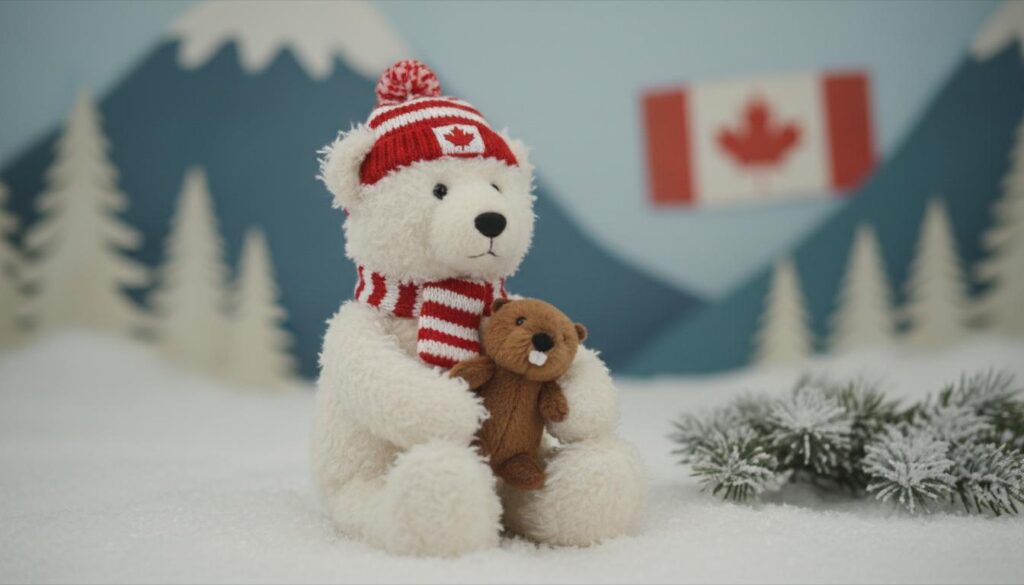
Hunting for the softest cuddle companion and noticing better stock or prices overseas? Many New Zealanders search for “jellycat canada” when local shelves are low or a specific colour is hard to find. This guide explains what Jellycat is, how cross-border buying from Canada to Aotearoa works, which ranges are worth a look, and how to choose the right plush with no guesswork.
What is
Jellycat is a British brand (founded in London in 1999) known for ultra-soft plush toys with playful personalities—think velvety bunnies, jaunty avocados, and sleepy bears. The toys are popular gifts for newborns, kids, and yes, adults who appreciate well-made comfort items.
When people say “jellycat canada,” they usually mean two things: buying Jellycat from Canadian retailers (online or in-store) and shipping those plush toys to New Zealand, or arranging gifts for friends and family living in Canada. Canada often carries wide ranges and restocks that Kiwis can’t always find locally.
Safety-wise, authentic Jellycat toys are typically tested to international standards (such as EN71 in Europe and ASTM in North America). Many soft toys are marked “suitable from birth,” though some items have age recommendations. Always check the specific product tag.
How it works
Buying from Canadian retailers
Canada has a healthy Jellycat market: big-book and toy chains, baby boutiques, and online specialist stores. Well-known national retailers like Indigo (Chapters/Coles) and Mastermind Toys frequently stock popular lines, alongside independent shops that secure niche or early drops. Stock rotates fast around holidays and Northern Hemisphere seasons.
Shipping to New Zealand: the basics
- Carriers: Canada Post (often handed to NZ Post), DHL, UPS, and FedEx are common.
- Timeframes: Many sellers quote around 7–15 working days to New Zealand for tracked parcels, depending on service speed and customs processing.
- Costs: Shipping is weight- and size-based. Plush toys are light but bulky; combining items can be cost‑efficient.
- Packaging: Ask for protective packaging to keep ears, tags, and fur pristine.
Taxes, GST, and customs
- New Zealand applies 15% GST to most imported goods. Many large overseas retailers collect NZ GST at checkout on low-value consignments.
- If GST isn’t collected at checkout, NZ Customs may bill GST (and applicable charges) before delivery. Higher-value shipments can also attract duty and import entry fees.
- Rules and thresholds can change—check the latest guidance on the New Zealand Customs Service website before ordering.
Currency and payment
- Prices show in CAD. Your bank converts CAD to NZD at its exchange rate and may add an international transaction fee.
- Compare the retailer’s price, GST handling, and shipping together. A slightly higher item price with GST collected upfront can be simpler than cheaper goods plus later customs processing.
Authenticity and safety checks
- Buy from authorised retailers. Fake plush toys exist and often fail safety standards.
- Look for a high-quality sewn-in label, clean stitching, and correct Jellycat tags.
- Read the care and age guidance on each product page and tag.
Returns and support
- Cross-border returns can be costly. Check return windows and who pays return postage.
- For gifts to Canadians, consider shipping directly within Canada for easier returns.
Types / examples
Popular Jellycat families you’ll see in Canada
- Bashful Bunnies: The brand’s icon—velvet-soft ears, gentle faces, multiple sizes and colours.
- Amuseables: Quirky food and objects (coffee cups, plants, fruit) with cordy legs and big smiles.
- Bartholomew Bear and friends: Classic teddies with modern fabrics and a deep, cosy pile.
- Fuddlewuddle and Smudge: Extra-fluffy textures with a tousled, huggable look.
- Cordy Roy: Ribbed corduroy-style fabric for a tactile, durable feel.
- Sea, Safari, and Woodland critters: From octopi to hippos and foxes—great for themed nurseries.
- Soothers, comforters, and soft books: Giftable add‑ons that match favourite characters.
Sizes and use-cases
- Small/tiny: Easy to post internationally, great for desk mascots or travel buddies.
- Medium: The classic gift size for kids; still simple to ship.
- Large/huge: Statement pieces for nurseries or couches; measure your parcel size before ordering.
Canadian shops often receive seasonal colourways and themed drops (winter holidays, spring pastels). Release timing can vary by region, so “jellycat canada” searches may surface colours not yet stocked in NZ.
Pros and cons
Buying from Canada can unlock options, but it’s not always the fastest or cheapest once shipping and GST are added. Here’s a side‑by‑side look for Kiwis comparing “jellycat canada” shopping with local buys.
| Factor | Buy from Canada | Buy in New Zealand |
|---|---|---|
| Range and availability | Often broader range and restocks; occasional colourways land earlier. | Curated selection; quick sellouts on hot items. |
| Price (before taxes) | Competitive CAD pricing; exchange rate can help or hurt. | Pricing in NZD; no conversion surprises. |
| GST and duties | NZ GST likely; sometimes collected at checkout; duty possible on high-value orders. | GST included in shelf price. |
| Shipping time | About 7–15 working days plus customs processing. | Usually 1–5 working days domestically. |
| Shipping cost | Can be high for bulky plush; combining items helps. | Often low or free above a spend threshold. |
| Returns and warranty | Cross-border returns are slower and costlier. | Simpler consumer protections and faster swaps. |
| Gifting to Canada-based whānau | Excellent—domestic shipping within Canada is quick. | International shipping to Canada adds time and cost. |
How to use or choose
Step-by-step: Buying “jellycat canada” from NZ
- Identify the exact toy: note the character name and size (e.g., Bashful Bunny Medium).
- Pick reputable Canadian retailers: check reviews, contact details, and clear returns info.
- Confirm authenticity: look for official branding, product codes, and stock photos that match Jellycat’s style.
- Compare total landed cost: item price (CAD) + shipping + GST handling + possible customs charges.
- Choose a tracked shipping option: aim for tracking end‑to‑end to NZ delivery.
- Keep packaging and tags: useful for gifts and any return requests.
- Track and inspect on arrival: check stitching, labels, and care tag; air the plush after transit.
How to choose the right Jellycat
- Age and safety: if gifting to a newborn, choose toys marked “suitable from birth.” Avoid removable accessories for very young babies.
- Texture preference: velvety (Bashful), fluffy (Smudge), ribbed (Cordy Roy), or classic teddy pile (Bartholomew).
- Size vs. shipping: medium sizes balance cuddle factor and postage costs.
- Theme and personality: match to a nursery theme (woodland, ocean) or the recipient’s favourite foods/animals.
- Care instructions: most Jellycat toys are surface-wash recommended; if a machine-wash is essential, check the tag first.
- Budget: set a cap including shipping; consider grouping orders with friends to split postage.
Care and cleaning tips
- Spot-clean with a damp cloth and mild soap; avoid soaking unless the tag allows.
- Air-dry out of direct sunlight; no tumble dryers or irons.
- Use a soft brush to fluff the fur once dry.
- Keep care tags attached for future reference or gifting.
FAQ
What does “jellycat canada” actually mean for Kiwi shoppers?
It’s shorthand for sourcing Jellycat plush toys from Canadian retailers—either to ship to New Zealand or to send gifts within Canada to relatives and friends.
Are Jellycat toys safe for newborns?
Many Jellycat soft toys are tested to international safety standards and marked “suitable from birth.” Always read the specific product tag, as some items have different age guidance.
Will I pay GST or duty when importing from Canada?
Usually you’ll pay 15% NZ GST. Some overseas retailers collect it at checkout; otherwise NZ Customs may charge GST (and applicable fees) before delivery. High-value orders can attract duty. Check current rules on the NZ Customs website.
How long does shipping from Canada to New Zealand take?
Common estimates are about 7–15 working days for tracked services, plus time for customs if GST is collected on arrival.
How do I avoid counterfeit Jellycat?
Buy from recognised retailers, look for high-quality stitching, the correct sewn-in labels, and consistent branding. Be wary of deep discounts on unfamiliar marketplaces.
Can I wash a Jellycat in the machine?
Most care tags recommend surface cleaning only. If a toy allows a gentle machine wash, the tag will say so. When in doubt, spot-clean and air-dry.
Is buying from Canada cheaper than buying in NZ?
Sometimes, especially if the CAD–NZD rate is favourable or a sought-after item is unavailable locally. Add shipping and GST to see the true landed cost.
What size should I gift?
Medium is a safe bet for children and easy to post. Small suits travel or desk buddies. Large is a wow-factor gift but can raise shipping costs.
Quick checklist for Kiwi buyers
- Confirm the exact model and size before paying.
- Choose tracked shipping and keep your receipt.
- Account for GST and possible customs processing time.
- Save tags and packaging for returns or gifting.
Bottom line
If you’re searching “jellycat canada” from New Zealand, you’re likely chasing selection, restocks, or a perfect gift for someone across the Pacific. With a reputable retailer, clear view of shipping and GST, and a little size planning, you can bring home the exact plush you want—soft ears, cheerful smile, and all.